




Japanese Tea Glossary: The Words of Matcha
Japanese words on a tin or in a recipe? Learn which terms name the leaf, its processing, the bowl, or the ceremony.
By Roseline Zhou, Founder
Contents
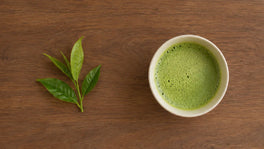
You read “tencha,” the leaf used for matcha, on a tin; “usucha,” a lighter matcha made with water, in a recipe; then “chasen,” the bamboo whisk, while choosing a tool. This Japanese tea glossary puts each word in its place: leaf, processing, utensil, or method. Understanding what matcha is starts with a prepared leaf that is milled into powder.
A prestigious name on a label doesn't tell you everything about the cup. We'd start with the leaf material and how it's worked before talking about flavor; to know a particular batch's taste, you still need to drink it.
Which words describe the leaf and how Japanese tea is made?

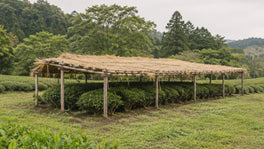
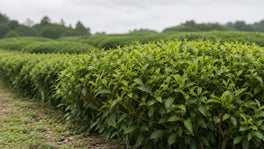
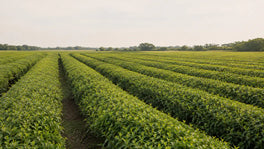
Tencha. Grown in the shade, steamed, and dried without rolling, the tencha leaf becomes matcha.
Shading and ooika. Shading reduces the light reaching young leaves. Ooika names an aroma associated with this growing method, sometimes likened to seaweed. Matcha production after shading continues through milling.
Ichibancha and shincha. Ichibancha means the season's first tea harvest. Shincha, or “new tea”, describes tea sold when a recent harvest arrives. Japanese tea harvests explain the order of new shoots.
Chashi. A tea professional who, depending on the context, assesses or adjusts work on the leaves. Their role is not limited to picking.
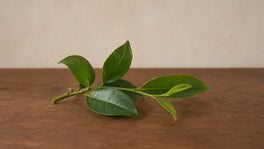
Cultivar. A selected tea-plant variety, distinct from the region where it grows. A matcha cultivar tells you about the plant without guaranteeing its flavor. Asahi, Okumidori, Saemidori, Samidori, and Yabukita are cultivar names; each needs its own careful description:
- The name Asahi denotes a tea cultivar.
- The Okumidori cultivar is not a region.
- The Saemidori tea plant deserves to be examined on its own terms.
- The Samidori cultivar has a name similar to Saemidori, but the two are distinct.
- The Yabukita tea plant appears in several types of Japanese tea.
Milling. This reduces prepared leaves to powder. Fineness and the heat produced deserve more attention than the image of a stone mill. Stone mills and machines can be compared by what they do to the powder.
Freshness. After milling, air, light, and moisture affect storage. A freshly milled powder does not automatically stay fresh after opening.
Konacha and funmatsucha. Konacha consists of fine tea particles separated during sorting; funmatsucha is ground tea. Neither name guarantees powder made from tencha. Comparing matcha, konacha, and funmatsucha helps you choose the right tea material and preparation. Another powder may work very well in a different recipe.
Which Japanese teas are steeped as leaves?
Sencha. Green tea whose leaves are steamed, then rolled and dried. Sencha tea is prepared as leaves, not whisked like a powder.
Gyokuro. Green tea made from leaves grown in the shade before harvest. Gyokuro tea is steeped as leaves despite its link to shade growing.
Kabusecha. Green tea whose leaves receive shade during part of their growth. Shade-grown kabusecha is among the covered teas prepared by steeping.
Tamaryokucha. Japanese green tea recognizable by its curved leaves. Tamaryokucha leaves call for steeping, not a whisk.
Bancha. A name used for teas with leaves or harvests different from those sought for certain first-picking teas. Usage varies by producer. For bancha tea, look at the leaves actually offered.
Kukicha. Tea containing a substantial share of stems and leaf veins. What goes into kukicha thus differs from whole leaves.
Hojicha. Roasted Japanese green tea with toasted notes. Leaf and powdered hojicha call for different preparation methods.
Genmaicha. Green tea blended with roasted rice. The rice contributes to the flavor of genmaicha without turning its leaves into matcha.
Before reaching for a chasen, check whether you have leaves to steep or powder to mix. For some cooking powders, the use stated on the product page matters as much as the name.
Which words name matcha tools and techniques?
Chawan. The bowl in which matcha is prepared and drunk. Its shape leaves more or less room for the whisk. Choosing a chawan bowl starts with the space your movement needs; Japanese tea tableware includes other pieces too.
Chasen. A bamboo whisk that disperses matcha in water. Its tine count and shape vary. Choosing a chasen depends on your bowl and how you drink the tea. Caring for a chasen after use includes rinsing and drying its tines.
Shirotake, kurotake, susudake. Names for bamboo or bamboo appearances used in chasen. Color is no substitute for looking at the tines. Chasen bamboo types primarily change its appearance.
Naoshi. A stand on which a chasen rests after use to help its tines keep their shape. It is not another whisk.
Chashaku. A traditional small scoop, often bamboo, for taking matcha without giving a universal weight. Measuring with a chashaku does not replace a scale if you want to weigh the powder.
Katakuchi. A bowl with a pouring spout, useful when you prepare matcha before dividing it among other cups. It is not necessarily the bowl you drink from.
Usucha and koicha. The first is a lighter matcha prepared with water; the second is thicker. These words describe textures, not two species of tea. Two ways to prepare matcha call for different methods and proportions.
Natsume, chaire, chakin, fukusa. The first two are tea containers; chakin is used for the bowl, and fukusa for the formal movements of the ceremony. Japanese tea ceremony utensils each have a role in serving.
Chanoyu and chadō. These words refer to the Japanese tea ceremony and the way of tea, beyond an everyday cup. The chanoyu tradition places the gathering and its formal movements in context; a personal matcha ritual can be simpler without claiming to reproduce that ceremony.
Urasenke and Omotesenke. Two schools of the way of tea, not matcha varieties. The Urasenke and Omotesenke schools share a lineage, but their teachings cannot be reduced to a single movement.
Wagashi. Japanese sweets often served with tea. A wagashi sweet may accompany matcha without containing any itself.
Raku, Hagi, Karatsu, Shino, Omuro-yaki. These names refer to ceramic traditions or styles. A name does not tell you whether a bowl will feel good in the hand. Chawan ceramic styles are also judged by shape and use; Omuro-yaki ceramics gives a separate reference point for a Kyoto piece.
Which words describe matcha flavors and regions?
Umami. A taste distinct from sweet, salty, sour, and bitter, perceptible in some teas. Recognizing umami requires tasting it in a cup, not merely reading its name.
Uji. A Japanese region connected with growing and trading tea. The Uji name locates a place without guaranteeing a flavor profile.
Kagoshima, Nishio, Shizuoka, Yame. These are tea-producing places in Japan. They indicate origin without fixing the flavor of a batch. The Kagoshima region grows tencha among other teas; the city of Nishio is associated with powdered tea; Shizuoka's production figures require distinguishing tea figures from matcha figures; in the Yame region, gyokuro and matcha are not the same tea material.
Matcha history. Words and uses change across periods. A label today cannot, by itself, tell the story of older tea practices.