

Skip to product information
Uji, Japan Premium Matcha

Faune Matcha

Faune Matcha

Regular price 25,00€
Promotional price 25,00€
Sale Exhausted

8 total reviews

Slight bitterness
Saline notes
Grown without pesticides

An umami-rich matcha with a marine note, from the Yabukita and Okumidori cultivars , grown in Uji (Kyoto).
It is distinguished by a marked aromatic depth, with woody and earthy notes, enhanced by a slight bitterness that adds character without dominating the whole.

A matcha with a strong character, perfect for milk-based preparations where it reveals its full aromatic richness.

Size
Ships within 48 hours
Free shipping on orders of €60 or more
Click & Collect

Description

  • Taste profile: bold, umami-rich, slightly bitter
  • Aromas: saline and woody, with depth
  • Origin: Uji, Kyoto — Yabukita and Okumidori cultivars
  • Best for: milk drinks and premium sweet preparations

Preparation

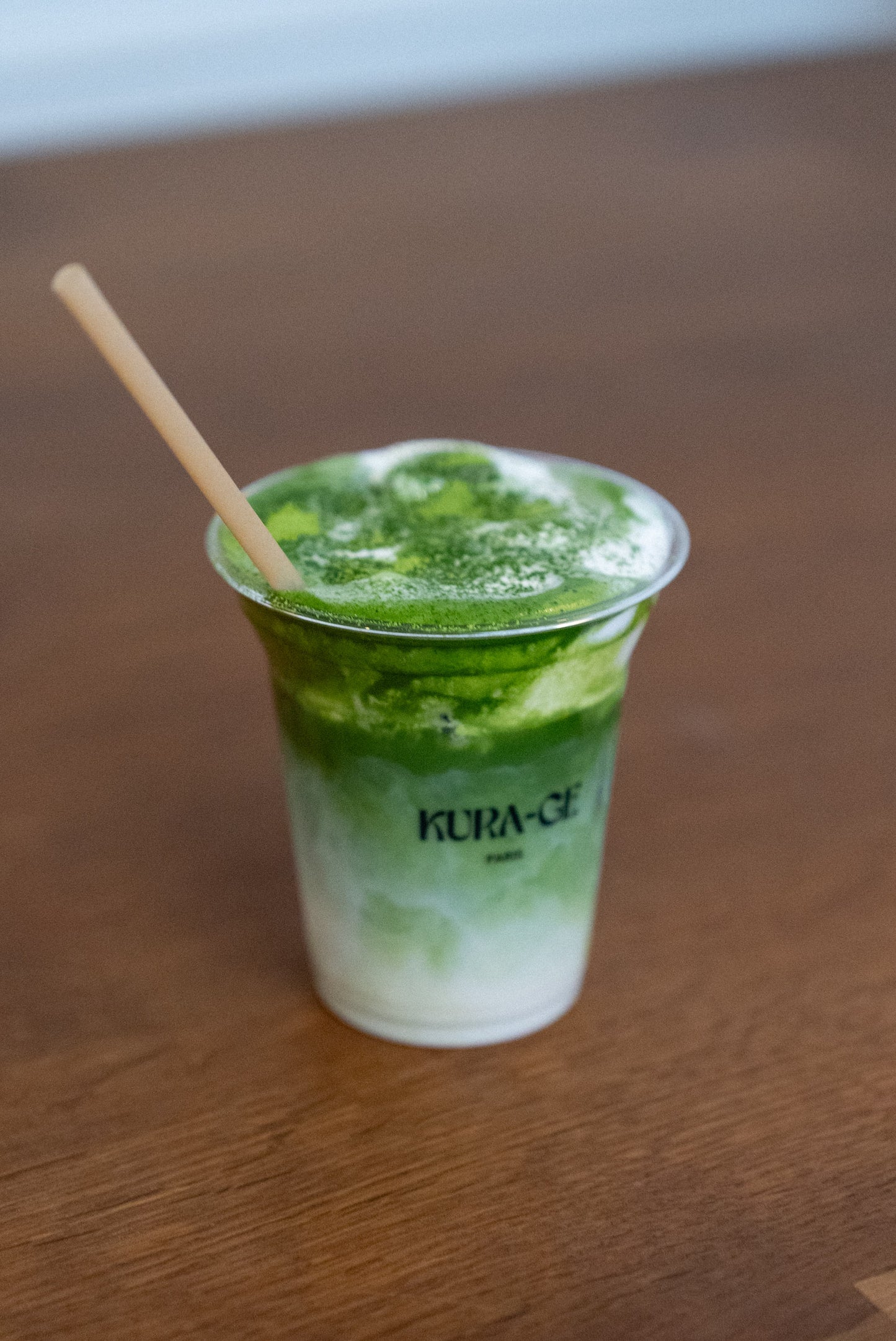
Iced matcha latte:
about 1½ tsp (3 g) matcha
2 tbsp (30 ml) hot water at 180°F (83°C)
½ cup (120 ml) milk
5–6 ice cubes
→ Whisk with a chasen in a W motion

Hot matcha latte:
about 1 tsp (2 g) matcha
about 1⅓ fl oz (40 ml) water to disperse it
about ½ cup (130 ml) milk
→ Froth the milk for a creamy drink

Storage

Matcha is a living powder and deserves careful storage.

  • Keep it away from light to preserve its bright color.
  • Close the tin tightly after each use to limit oxidation.
  • Store it in a dry place, or ideally refrigerate after opening.
  • Use within two months of opening to enjoy it at its freshest.
Japan Agricultural Standard
Certified pesticide-free • 100% organic
Show all details

Faune has subtle umami depth, with woody and earthy notes.

Umami
60%
Bitterness
15%
Origin
Uji (Kyoto), Japan
Cultivar
Yabukita, Okumidori
Grade
Premium
Harvest
First and second harvests, 2025
Grinding
Granite stone mills

Yabukita was selected in Shizuoka in the early twentieth century by Sugiyama Hikosaburō. Its name comes from where the original plant was found: “north of the bamboo grove.” Prized for its vigor and consistency, it became Japan's leading cultivar and is often used to add freshness and structure.

Okumidori, a late-budding cultivar developed in Shizuoka and widely grown in Kyoto and Kagoshima, tolerates shade particularly well. It gives a deep green color and gentle umami, making it a modern foundation for tencha and premium matcha.

  • Sift

    Put about 1 tsp (2 g) matcha into a chawan or bowl

  • Whisk

    Pour in about 1⅓ fl oz (40 ml) hot water, then whisk with a chasen in a W motion

  • Adjust

    Add ½ cup (120 ml) hot or cold milk, with or without a sweetener

  • Enjoy

    Stir, and your drink is ready to enjoy!

Chasen and matcha

Frequently asked questions

How does Faune differ from ceremonial matcha?

Faune is a premium matcha made from the youngest leaves of the first harvest.
A different milling method gives it a more direct, aromatic profile than ceremonial matcha, with slight bitterness.
Less silky than ceremonial matcha, its lively, bold flavor suits lattes, recipes and richer preparations.

Is Faune organic?

Yes. Faune is JAS certified, the Japanese equivalent of an organic certification. It is grown without pesticides or chemical fertilizers under Japan's organic standards.

How should I prepare Faune?

Faune is especially well suited to a latte, where its full aroma comes through. It often tastes more balanced cold than hot.
Its slight bitterness works well with sweet or indulgent drinks, for a bold yet balanced cup.

Does matcha contain caffeine?

Matcha contains about 30–35 mg of caffeine per gram, or 60–70 mg in a serving of about 1 tsp (2 g). The exact amount in a cup depends on how much matcha you use.

Can I drink matcha every day?

Matcha contains caffeine. The amount per cup depends on the quantity of powder used; this page gives about 60–70 mg for a serving of about 1 tsp (2 g).

Our customer reviews